Southern Africa Ramsar Regional Initiative (SARRI) Launched at Ramsar COP15
Published: November, 2025
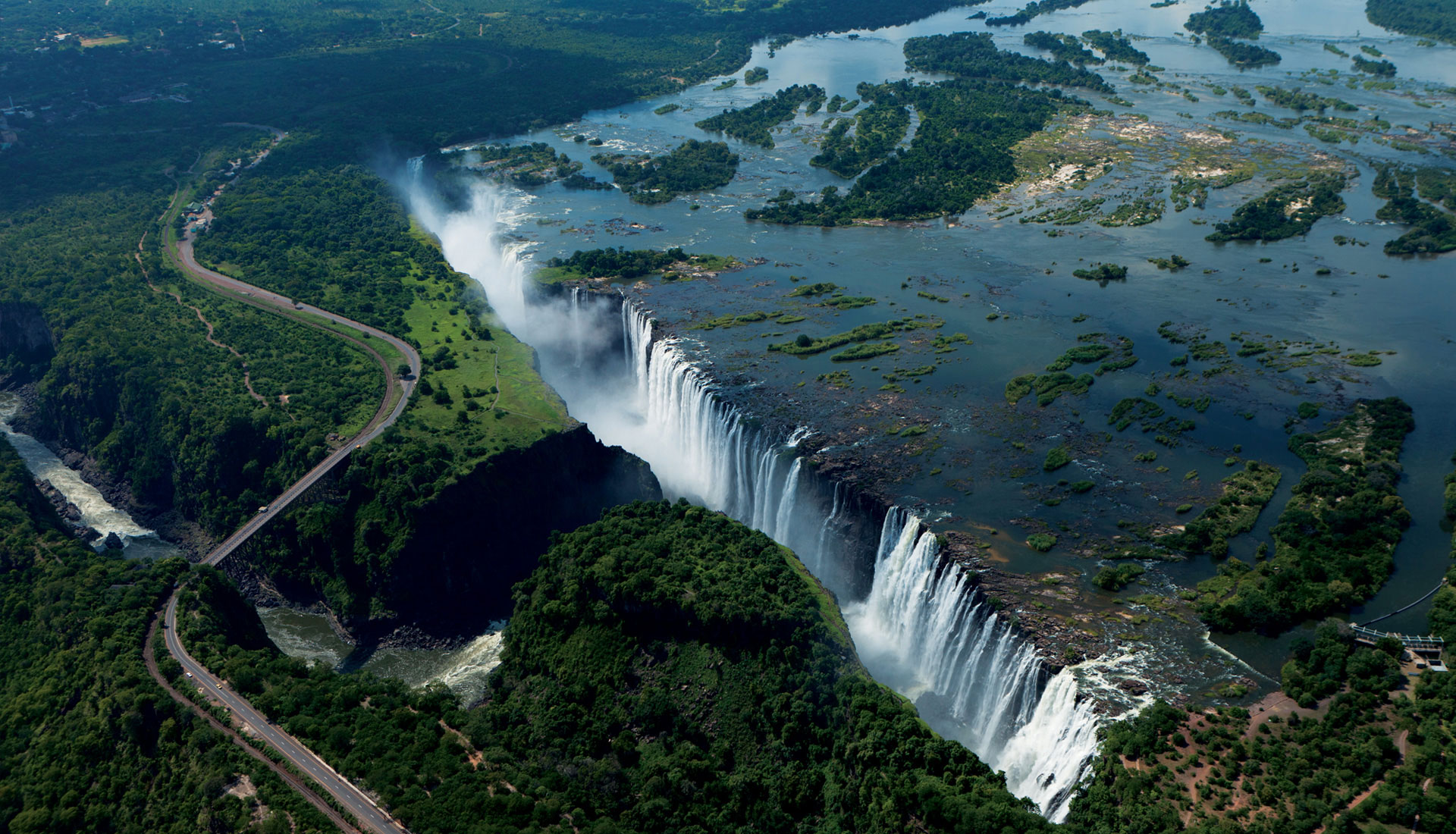
The SARRI was officially launched on 24th July 2025 in Victoria Falls, Zimbabwe, marking a significant step toward aligning regional efforts for the enhanced protection and wise use of southern Africa’s vital wetland resources. The launch event took place on the sidelines of the 15th meeting of the Conference of the Contracting Parties to the Ramsar Convention (COP15).
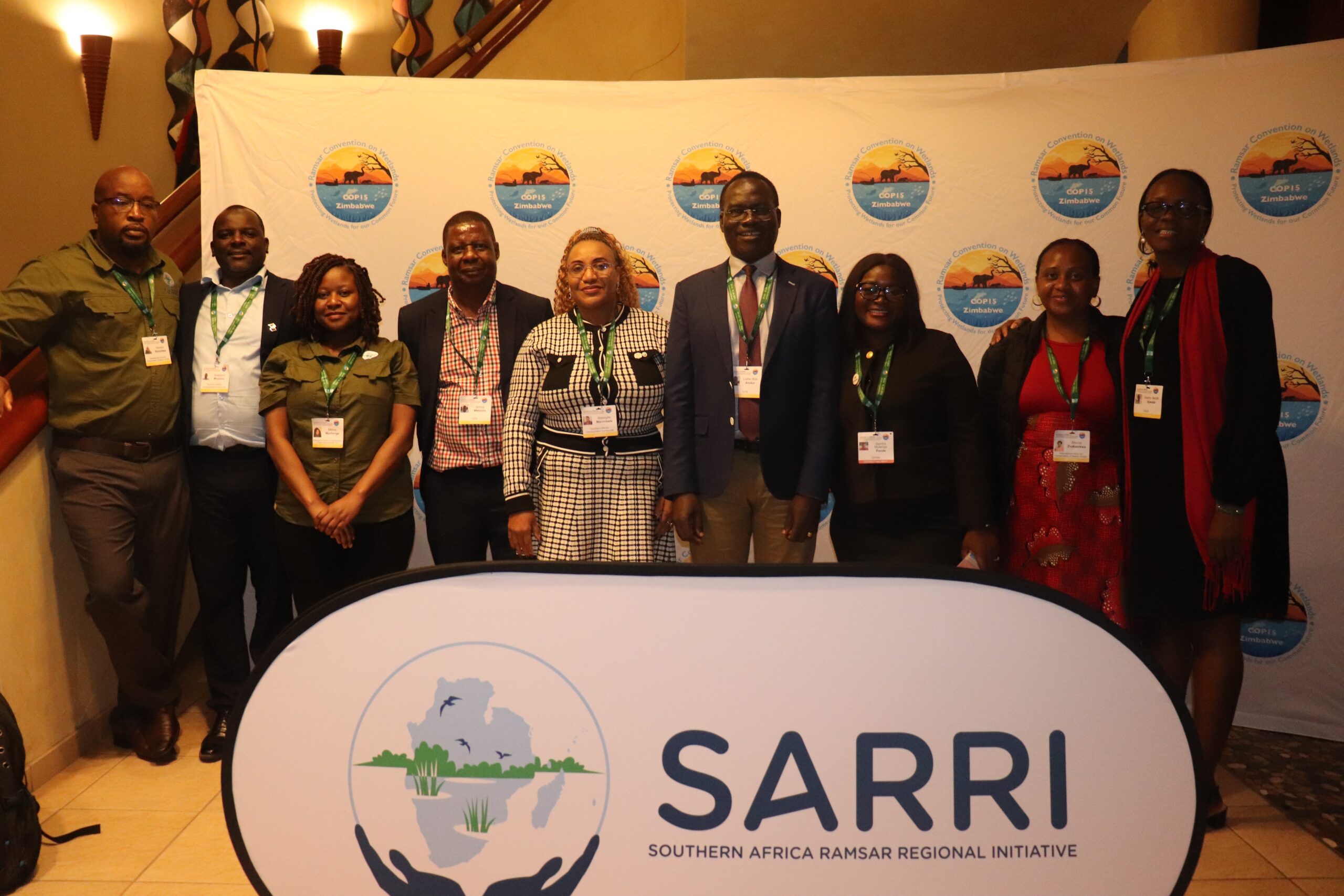
Photo: IUCN Team
The SARRI will be overseen by the Southern Africa Development Community (SADC) and have its Secretariat hosted by IUCN’s Regional Office in Eastern and Southern Africa (ESARO). The launch event, which brought together ministers from SADC Member States, senior representatives from the Ramsar Secretariat, the SADC Secretariat, IUCN, the French Biodiversity Agency (Office Français pour la Biodiversité) and development partners, aimed to generate momentum and build awareness for SARRI’s long-term implementation.
As one of the Ramsar Regional Initiatives, the SARRI aims to support cooperation and capacity-building on wetland-related issues. By aligning stakeholder efforts, it will amplify the impact of protecting wetland resources that sustain millions, address pressing environmental challenges as part of regional projects and in transboundary areas and promote the effective implementation of the Ramsar Convention.
“As we present SARRI to the world here at COP15, we invite all Ramsar Parties and partners to join us, to support and work with us on this Southern Africa led platform. Help us scale-up our endeavours to restore wetlands, empower local communities. Bring your expertise, your financial commitments and your solidarity. We especially call upon the Ramsar Secretariat, bilateral donors, and the private sector to join us in this adventure,” urged Minister of Environment, Climate and Wildlife in Zimbabwe Hon. Evelyn Ndlovu. She was represented at the event by Edward Samuriwo, Director of Environment at the Ministry of Environment, Climate and Wildlife, Zimbabwe.
“I recognise the complexity of resource mobilisation, but there’s immense power in that interconnectedness. You simply can’t secure resources alone,” noted Dr. Musonda Mumba, Secretary General of the Convention on Wetlands.
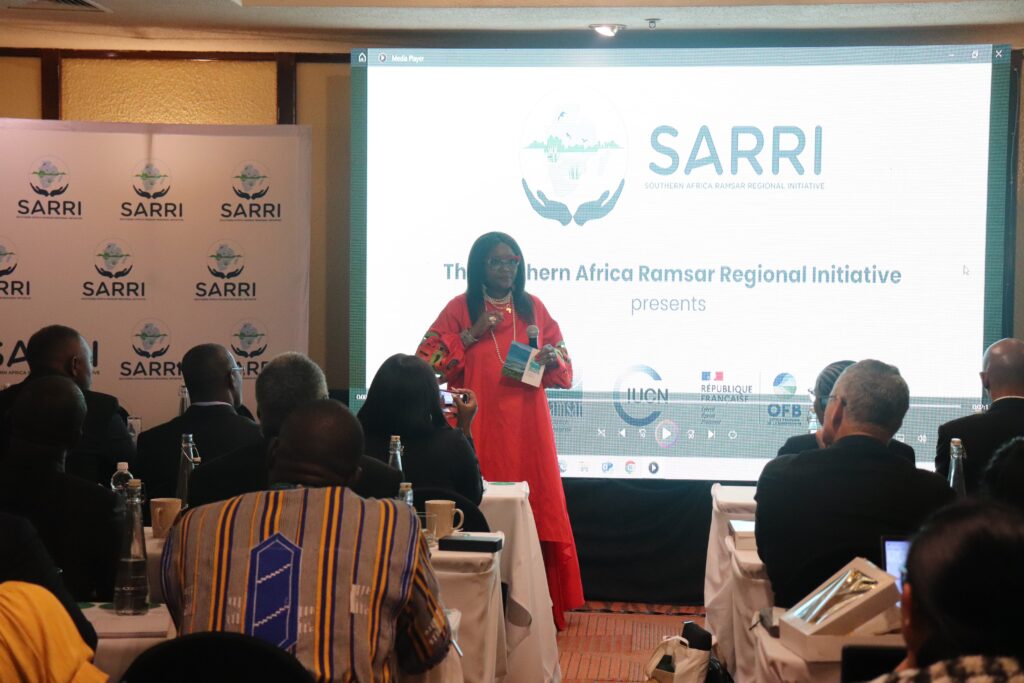
“As we launch today, I pledge to advance scientific wetland research, inform their effective management, sustain our Ramsar sites while identifying new ones and empower communities to strengthen livelihoods through wetland use. We’ll also rehabilitate degraded areas to improve water availability,” said Sibongile Mavimbela, SADC Secretariat.
“Collaborative action across countries is the most powerful path to reversing wetland loss and degradation. That is why we are proud partners in SARRI. IUCN fully supports its bold vision, recognizing that lasting impact can only be achieved through strong, united partnerships. We stand ready to work hand in hand with the SADC Secretariat and Member States to turn this vision into reality,” stated Luther Bois Anukur, Regional Director for the International Union for Conservation of Nature Eastern and Southern Africa Regional Office (IUCN ESARO).
The landmark event showcased the important role of wetlands in biodiversity conservation, climate resilience and sustainable livelihoods, reinforcing regional and global commitments to their protection.
The SARRI initiative was adopted at the Ramsar COP14 in 2022, made possible by the SADC Secretariat together with IUCN ESARO, and with the support of a programme funded by the French Biodiversity Agency and the French Ministry of Ecological Transition. It is designed to advance coordinated transboundary conservation strategies and mobilise resources for wetland restoration and management. The initiative will serve as a platform for collaboration among governments, conservation organisations and development partners to ensure effective policies and actions safeguard wetlands for future generations.
The launch event carried significant political importance, as it demonstrated the commitment of SADC Member States to cooperative efforts in wetland conservation and sustainable development. The launch showcased the collaboration between SADC and key partners such as IUCN, The French Biodiversity Agency (OFB) and others, underscoring the shared commitment to protecting the region’s natural resources.