SARRI Celebrates World Wetlands Day 2026
Published: February, 2026
2 February 2026
The Southern Africa Ramsar Regional Initiative (SARRI) proudly joins governments, partners, and communities across the region in celebrating World Wetlands Day 2026, held under the global theme “Wetlands and Traditional Knowledge: Celebrating Cultural Heritage.” This theme highlights the profound relationship between wetland ecosystems and the cultural practices, heritage, and livelihoods of communities that have protected them for generations.
Regional Highlights
South Africa
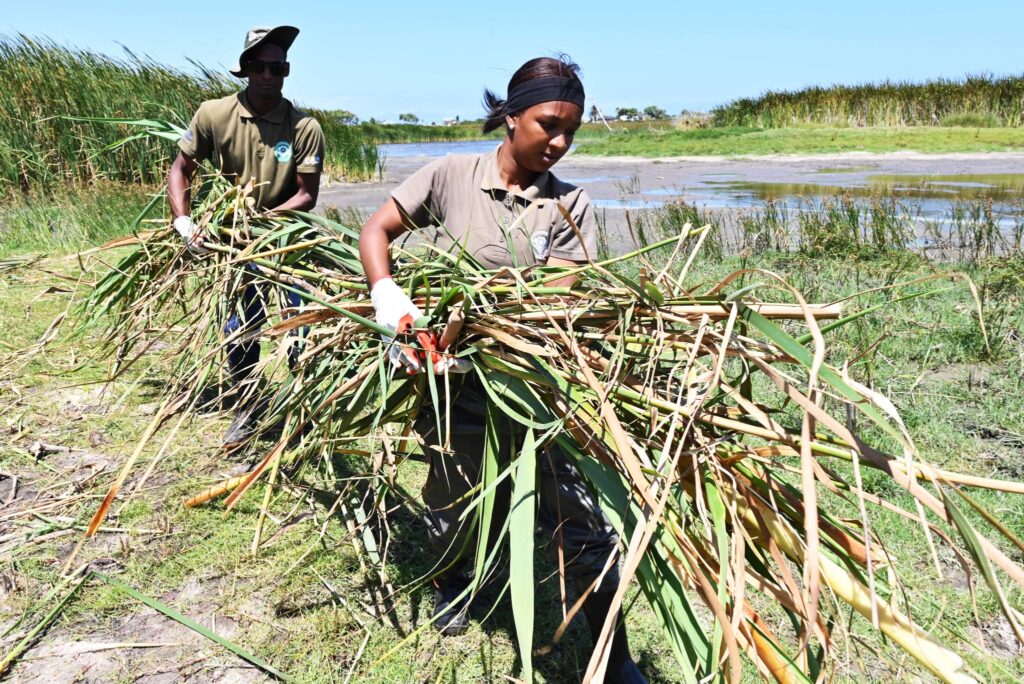
SSouth Africa celebrated World Wetlands Day with a series of large‑scale community events nationwide, including activities at the Rondevlei section of the False Bay Nature Reserve led by the Department of Forestry, Fisheries and the Environment (DFFE), the City of Cape Town, and CapeNature. These engagements highlighted traditional knowledge, youth participation, and the River Warden Programme, which is driving alien vegetation clearing and waste removal in priority wetlands.
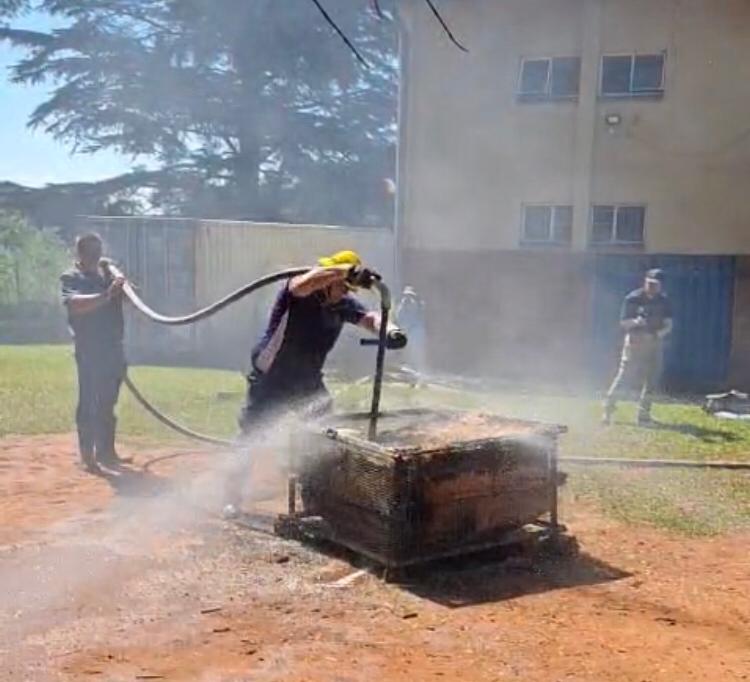
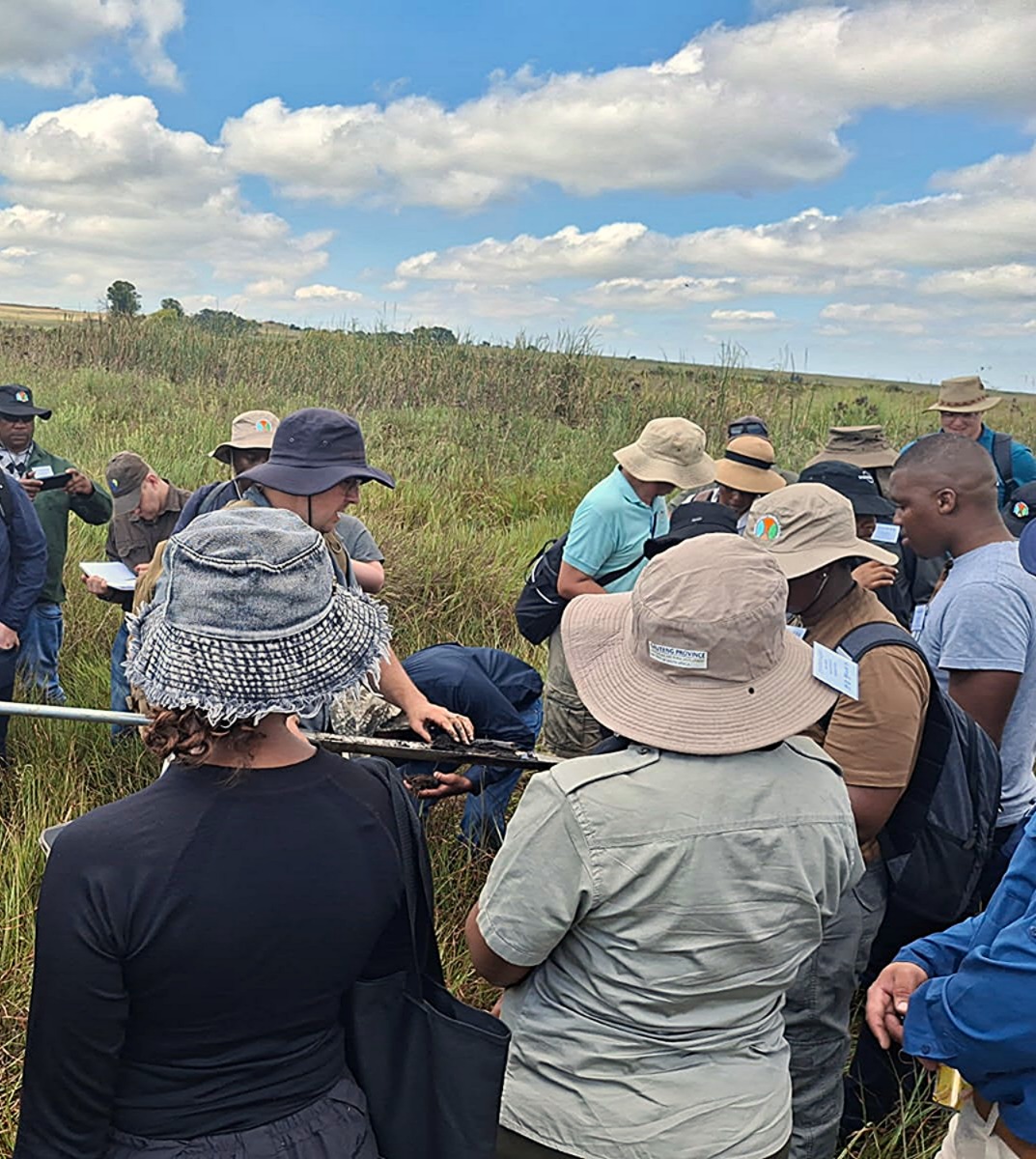
The Water Research Commission (WRC) and Agricultural Research Council (ARC) also hosted events focused on understanding and managing peat fires, where participants learned to identify peat, use a spike tool to extinguish underground fires, and apply a decision‑making framework for peat‑fire management. As part of South Africa’s ongoing update of the national wetland delineation manual (funded by the WRC), WetResT held a practical training session on hydropedology and wetland soil identification.
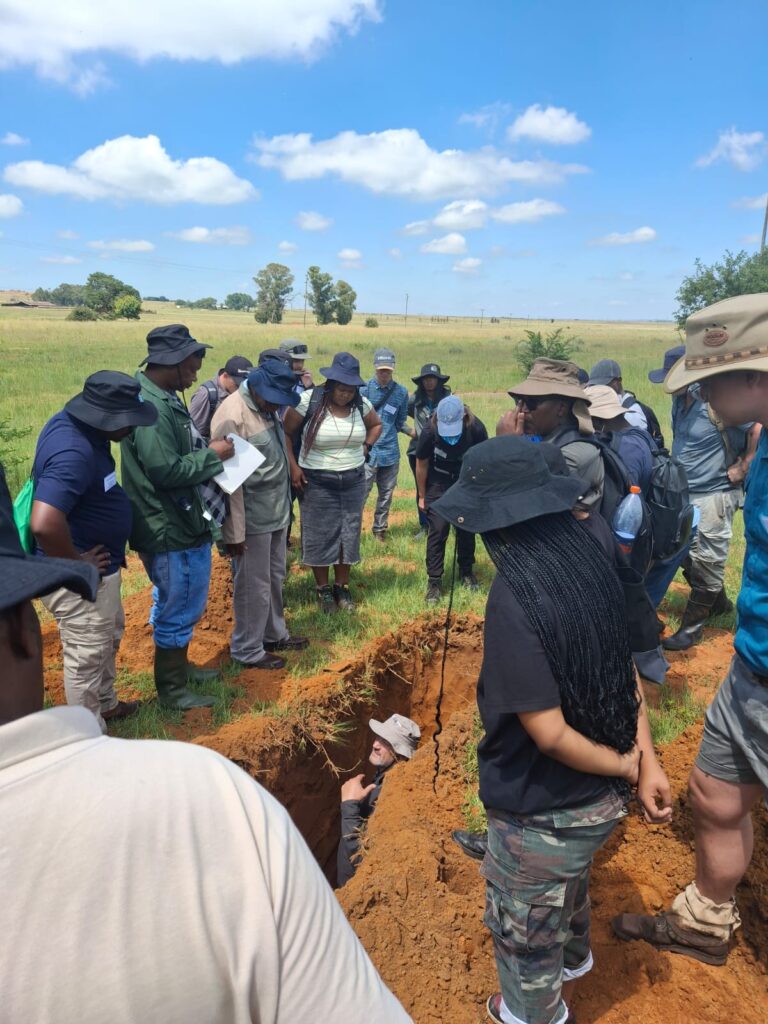
A range of non-governmental organisations further contributed to the day’s celebrations through community-based activities across the country.
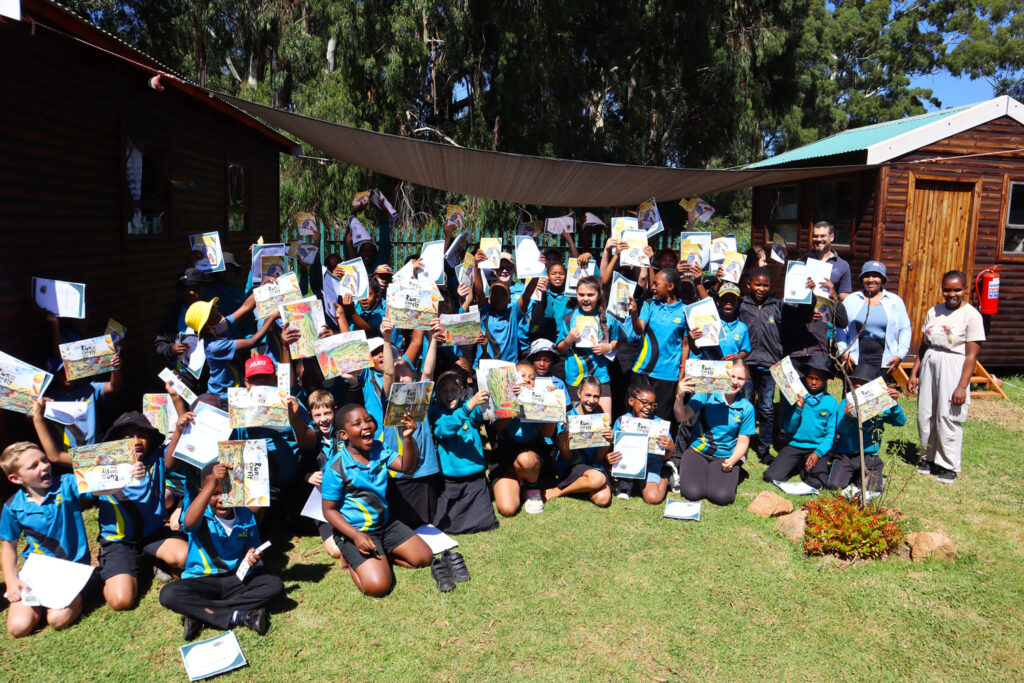
In Dullstroom, BirdLife South Africa hosted its annual Flufftail Festival, using the endangered White‑winged Flufftail as a flagship species to teach learners and community members about wetland ecology, threats, and conservation. Through school presentations, hands‑on demonstrations, and a public talk, the festival helped raise awareness of the importance of high‑elevation wetlands and the unique biodiversity they support.
Zimbabwe
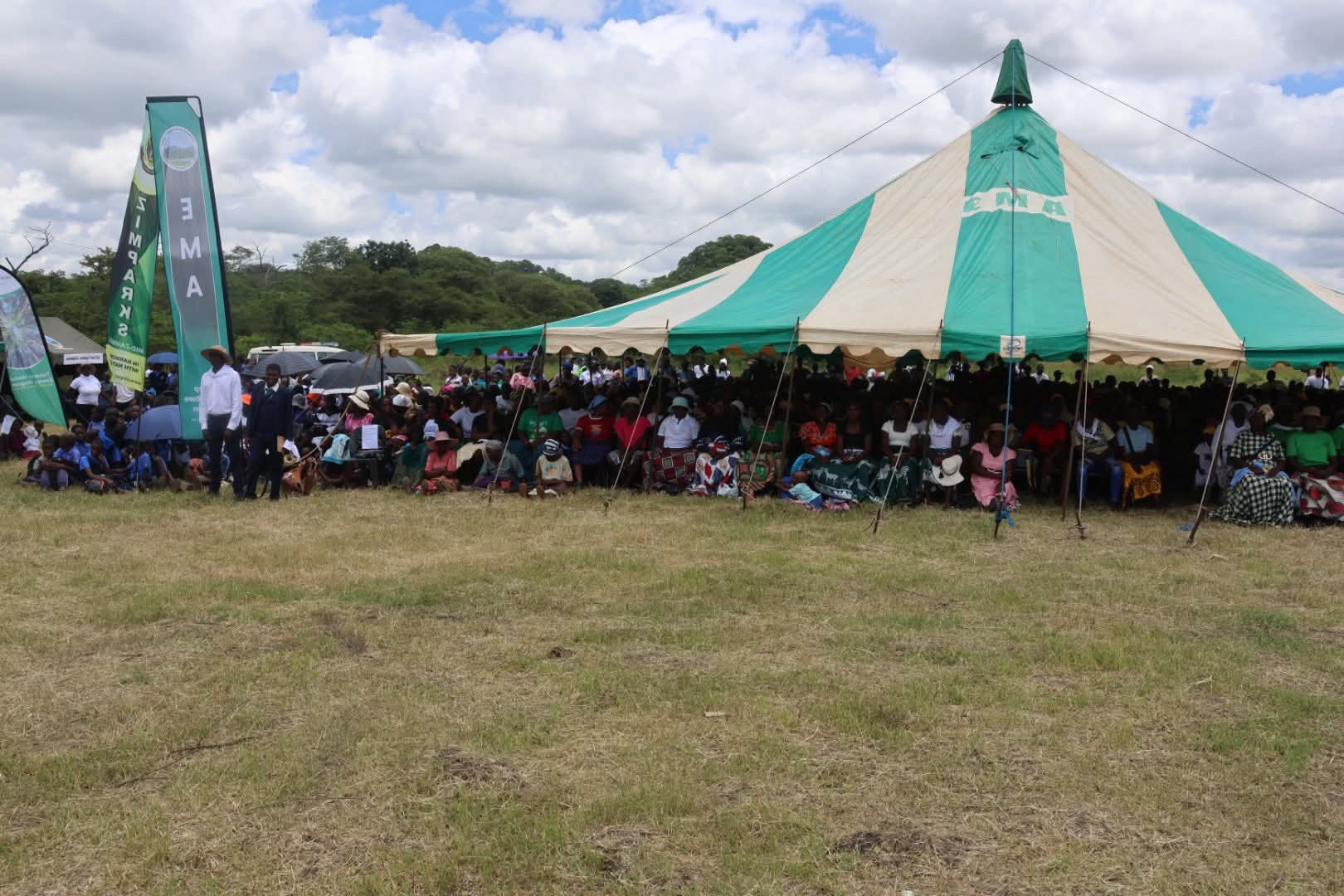
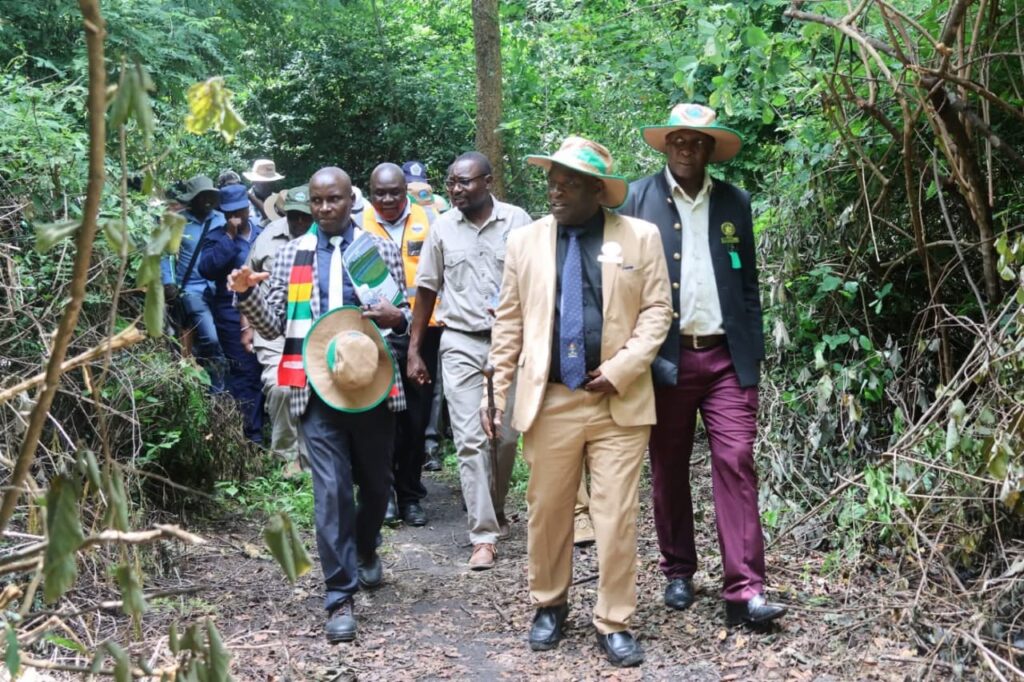
Zimbabwe’s national commemoration took place at Ditchwe Wetland in Makonde District, emphasising cultural heritage and Indigenous stewardship of wetlands. Leaders reaffirmed national commitments, including the restoration of 250,000 hectares of degraded wetlands and the designation of five new Ramsar Sites by 2030. Local officials highlighted the sacred significance of wetlands and the role of community traditions in their protection.
Civil society events in Harare further explored the interplay between environmental science and traditional knowledge.
Zambia
Zambia commemorated the day with community‑led celebrations in the Barotse floodplains, where traditional wetland stewardship practices—such as seasonal grazing and Indigenous water management—were highlighted for their role in climate resilience and biodiversity protection
Botswana
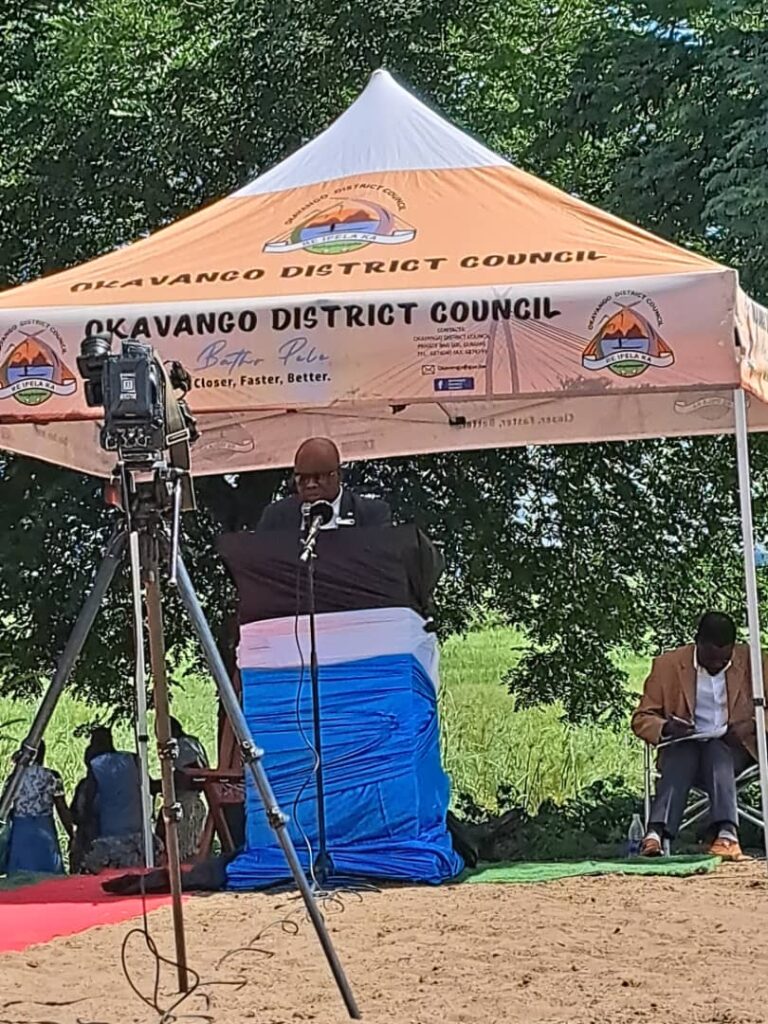
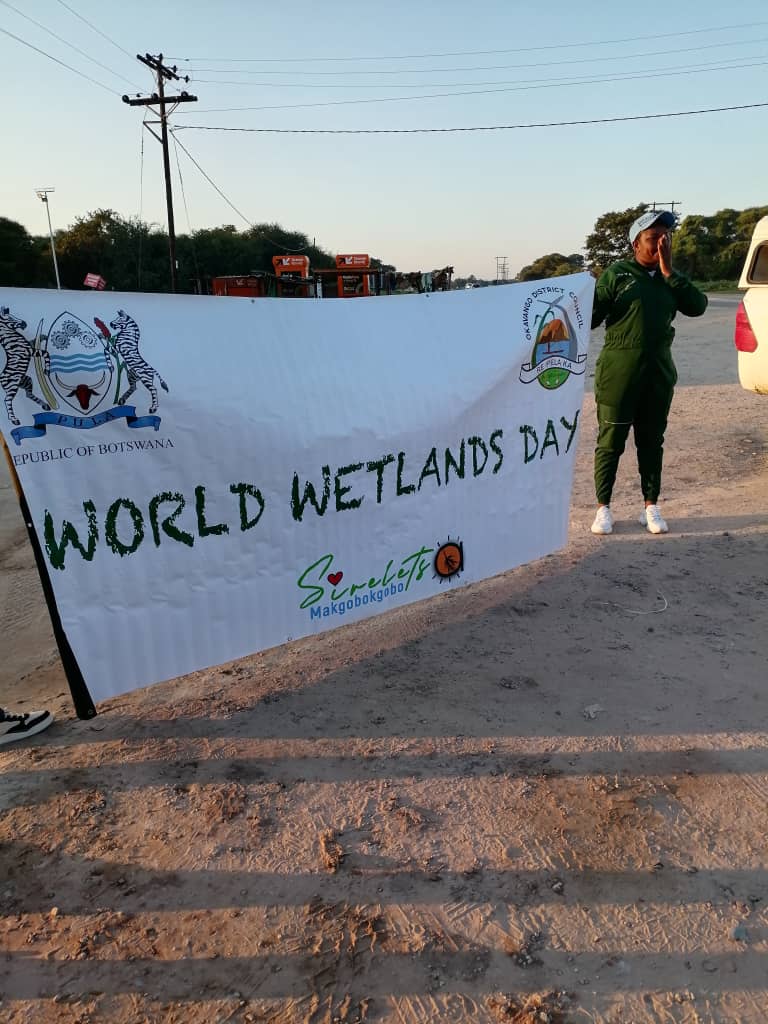
Botswana reflected on the cultural significance of its iconic wetlands, including the Okavango Delta, through educational events and awareness campaigns. Conservation groups underscored the importance of integrating Indigenous ecological knowledge with modern science to ensure the long‑term sustainability of the country’s wetland systems
Namibia
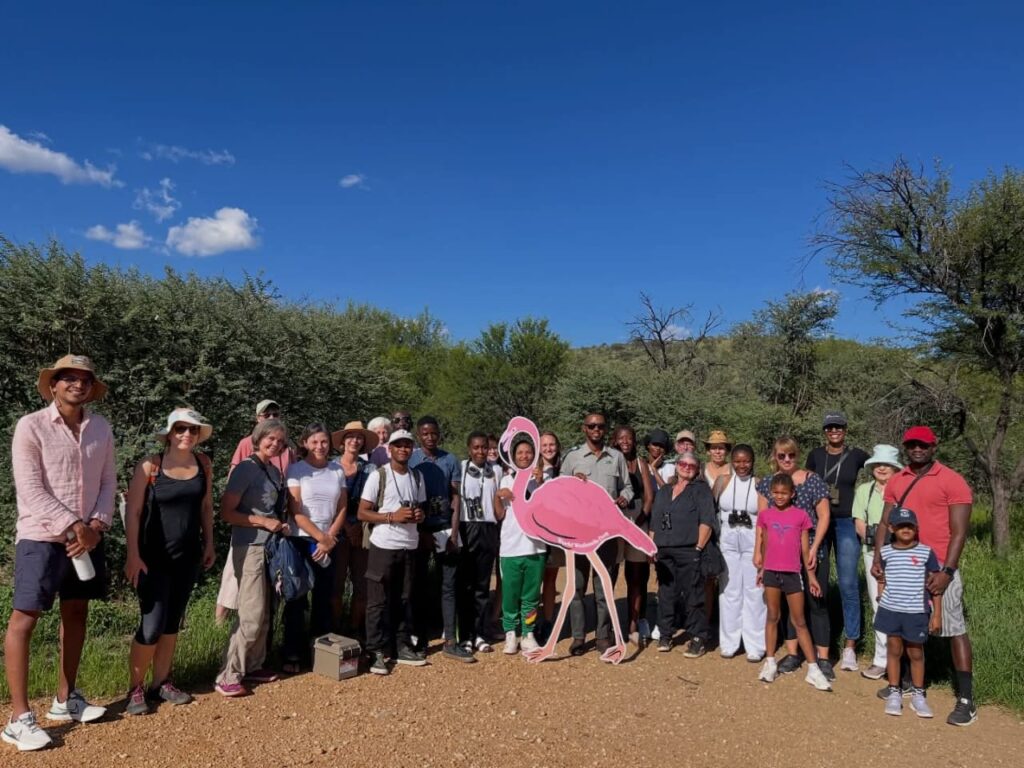
The Botanical Society of Namibia and Namibia Nature Foundation with the Ministry of Environment, Forestry and Tourism, joined national celebrations with educational events marking World Wetlands Day. Namibian wetland conservationists emphasised the value of wetlands in sustaining biodiversity and supporting community livelihoods.
Seychelles
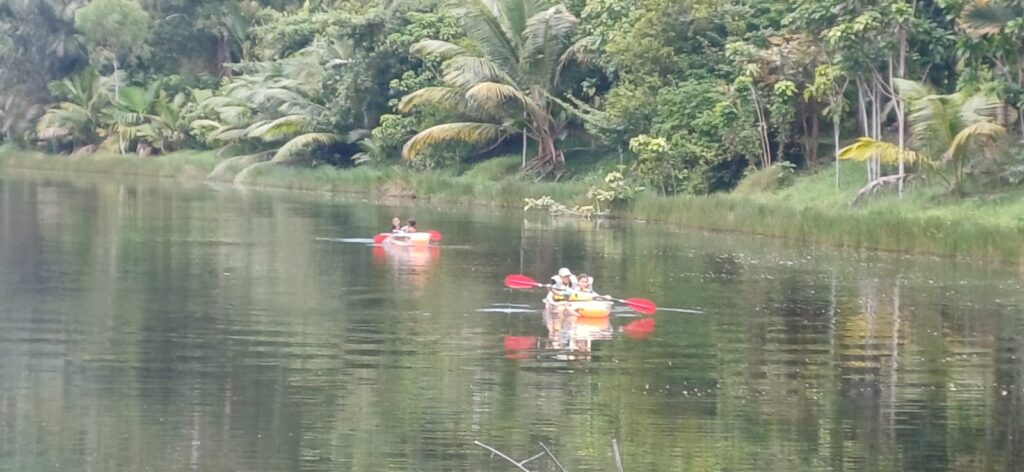
Seychelles marked the day with renewed commitment to safeguarding coastal and mangrove ecosystems, highlighting growing threats from climate change. Government officials stressed the importance of restoring wetlands to strengthen national climate resilience, while Nature Seychelles called attention to the cultural history and ecological importance of mangroves
Madagascar
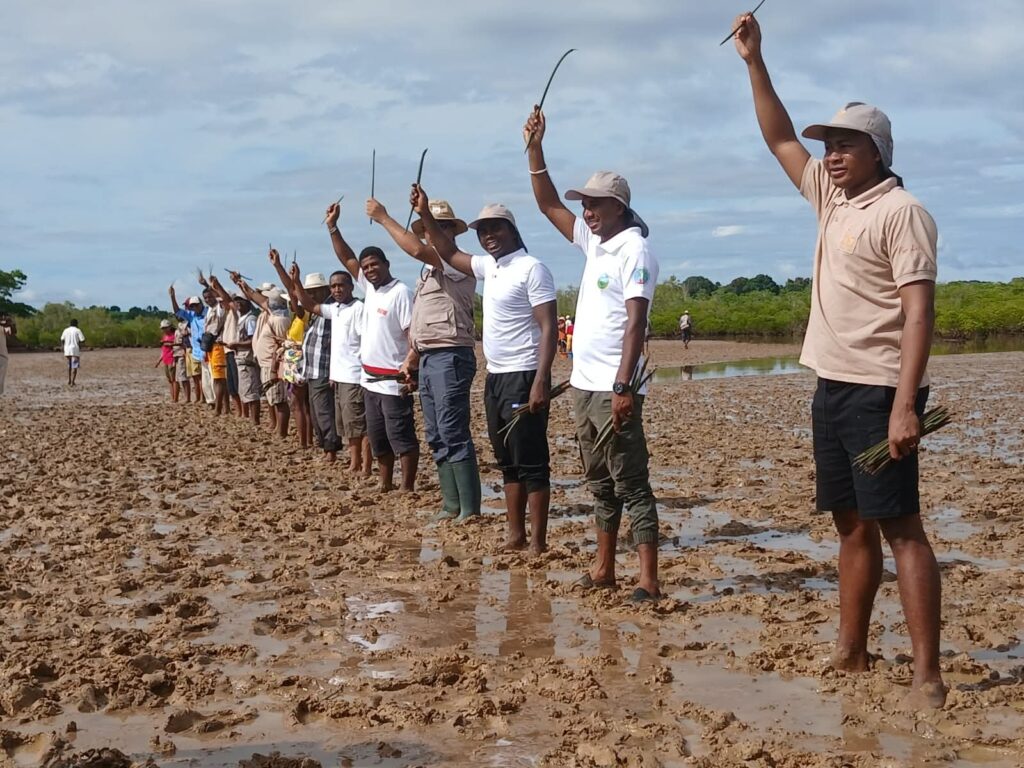
The fokontany of Mahintsihazo, in Maromandia Municipality, Analalava District, proudly hosted the regional celebration of World Wetlands Day in the Sofia Region. To mark the occasion, 30,000 mangrove seedlings were planted across 6 hectares, alongside awareness-raising activities highlighting the importance of wetlands.Speakers stressed the crucial role wetlands play in sustaining all forms of life, and the value of traditional knowledge in ensuring their protection and sustainable management.
Eswatini
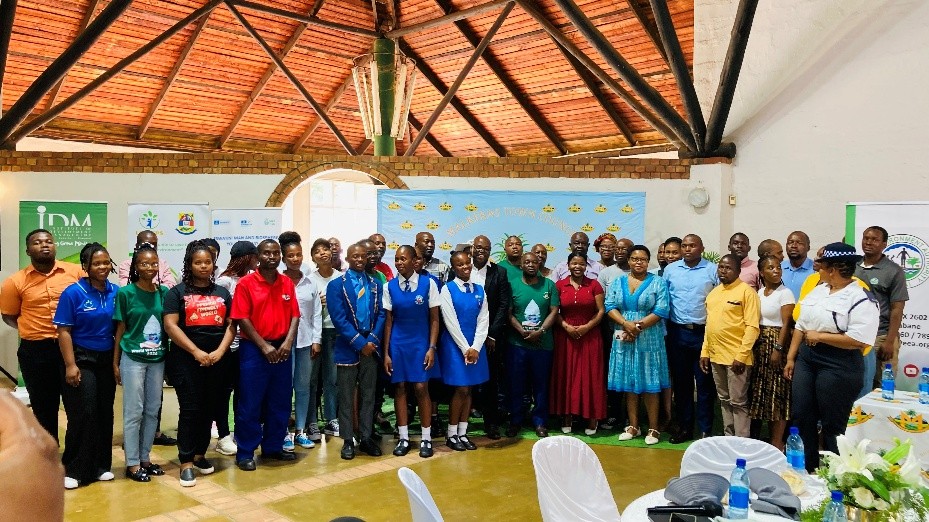
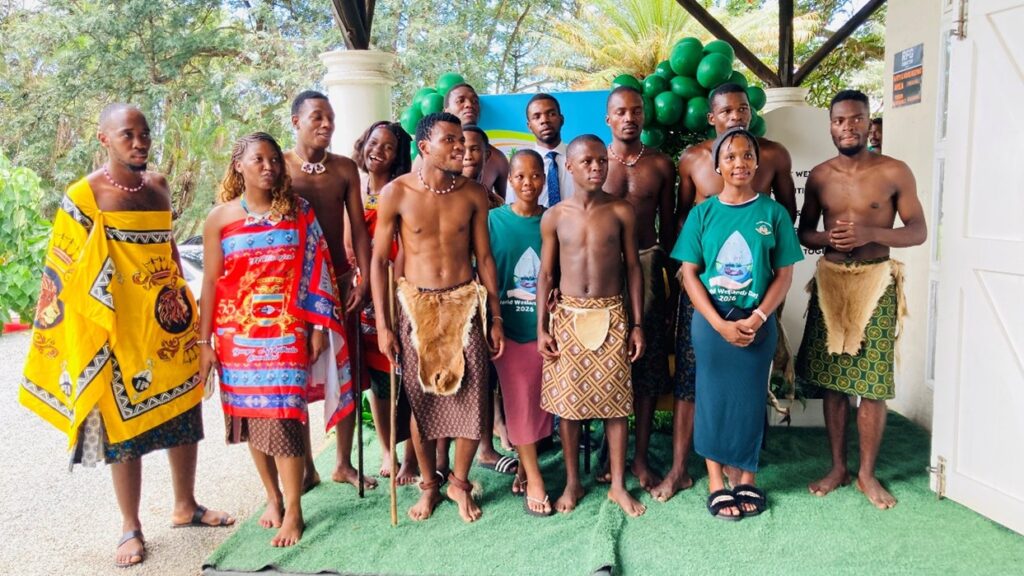
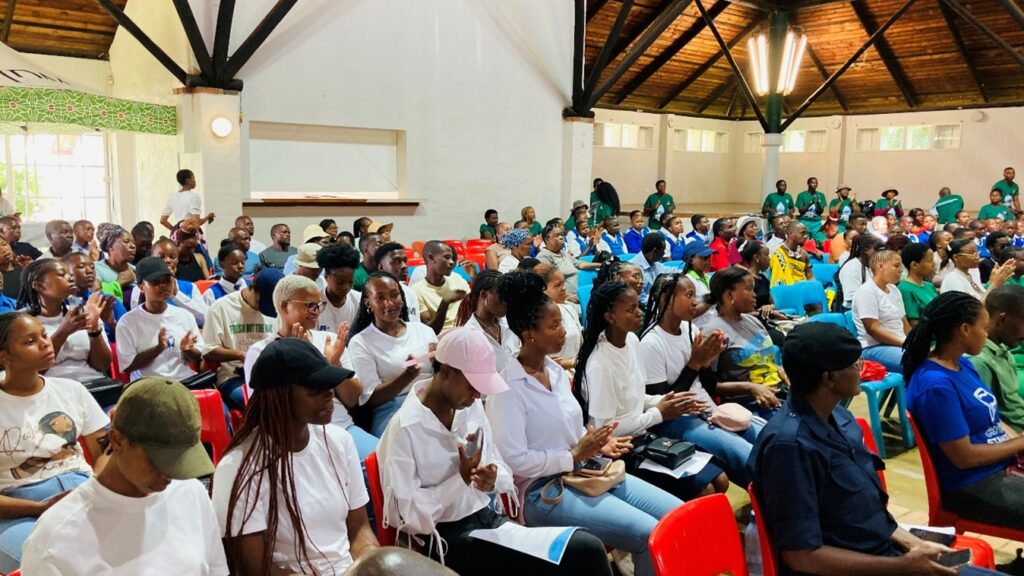
Malkerns Town Council commemorated World Wetlands Day by bringing together schools, farmers, residents, and key environmental stakeholders to promote the protection of the town’s diverse wetlands and raise awareness on preventing illegal fires. “Protecting our wetlands is not the responsibility of one institution alone—it requires all of us working together,” said Mayor Mabuza, as the Council reaffirmed its commitment to sustainable environmental management, including plans for a fire management framework and the donation of 90 trees to local schools to support youth‑driven greening initiatives
SARRI’s Regional Commitment
As the coordinating body for wetland collaboration across Southern Africa, SARRI celebrates the collective efforts of its member states. The 2026 theme resonates deeply within the region, where traditional stewardship remains a vital tool in addressing wetland degradation, climate‑induced flooding and drought, loss of biodiversity and cultural erosion tied to ecological change.
SARRI reaffirms its commitment to supporting countries in integrating Indigenous knowledge with modern conservation science—strengthening policy, empowering communities, and safeguarding wetlands as living cultural landscapes